Musee Lecoq: Discover Auvergne's Natural World
June 17, 2025

I spent about two hours exploring the museum, finding the Blaise Pascal exhibits and the massive California seal taxidermy particularly fascinating. The museum offers a great way to understand the natural history of the Auvergne region, especially for those interested in local scientific heritage.
Hidden in the heart of Clermont-Ferrand, Musee Lecoq reveals the scientific secrets of Auvergne through an unexpected treasure trove of regional natural history. Discover why a single taxidermy seal can tell the story of an entire landscape.
Need-to-Know Info Before Visiting Musee Lecoq Natural History Museum
5+
images
Musee Lecoq Natural History Museum Address
15 Rue Bardoux, 63000 Clermont-Ferrand, France
Musee Lecoq Natural History Museum Opening Hours
- 🕒 Tuesday-Sunday: 10:00 AM - 6:00 PM
- 🕒 Closed on Mondays
- 🕒 Holidays: Special hours may apply
How to get to Musee Lecoq Natural History Museum
- 🚗 By car: Park at nearby public parking on Rue Bardoux
- 🚌 Public transport: Tram Line A, Stop 'Lagarlaye'
- 🚕 Rideshare: Easily accessible via Uber/local taxi services
What is Musee Lecoq Natural History Museum known for?
- Comprehensive regional scientific collections showcasing Auvergne's natural heritage
- Exhibits honoring local scientist Blaise Pascal with historical displays
- Extensive taxidermy collection featuring local and international wildlife specimens
- Geological exhibits highlighting regional minerals and rock formations
- Interactive botanical displays representing Auvergne's diverse plant ecosystems
What is Musee Lecoq Natural History Museum in Clermont-Ferrand?
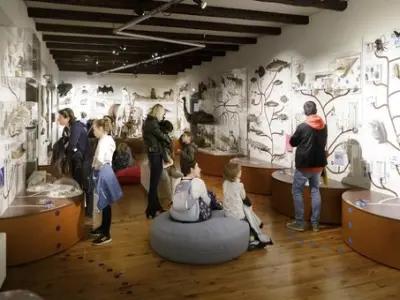
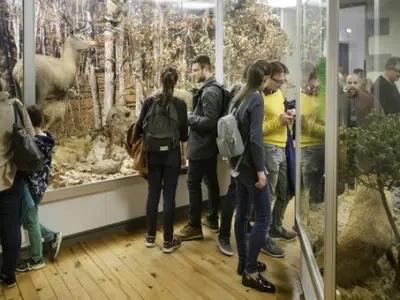
Tucked away in the heart of Clermont-Ferrand, Musee Lecoq stands as a go-to destination for science enthusiasts and curious travelers seeking to understand the natural world of the Auvergne region. This compact natural history museum transforms a 19th-century building into a treasure trove of regional scientific discoveries. Travelers typically spend about 1-2 hours exploring its carefully curated exhibits, making it an ideal stop for families and solo travelers wanting to dig deeper into local ecology and geology. The museum's ground floor celebrates Blaise Pascal, Clermont-Ferrand's legendary hometown scientist, while the upper level showcases an impressive collection of taxidermy animals native to the Auvergne landscape. Younger visitors especially love the detailed wildlife displays, with standout pieces like the massive California seal catching everyone's attention. Though most exhibits are in French, the visual representations of minerals, fauna, and local flora provide an engaging experience for international visitors. The museum offers a focused, educational journey through the region's natural heritage, drawing around 30,000 visitors annually who want to understand the scientific landscape of central France.
Top things to do at Musee Lecoq Natural History Museum
- Explore the Blaise Pascal Memorial Exhibition on the first floor, learning about the famous local scientist through historical artifacts and scientific instruments
- Check out the massive taxidermy California seal - a crowd favorite that offers a surprising glimpse of marine wildlife in the Auvergne region's natural history collection
- Examine the comprehensive geological displays showcasing the region's mineral collections, featuring rock formations unique to the Auvergne landscape
- Visit the second-floor exhibits highlighting local fauna and flora, with detailed displays of regional wildlife and plant species
- Participate in the museum's occasional scientific workshops and educational programs focusing on regional natural history (check schedule in advance)
- Compare the diverse taxidermy specimens to understand the biodiversity of the Auvergne region, with special attention to local animal species
Tickets and Pricing
Entry to Musee Lecoq Natural History Museum is affordable and accessible. Adult tickets cost approximately 5 euros, with reduced rates for students and seniors. Children under 12 enter free. Tickets can be purchased directly at the museum entrance or online through the Clermont-Ferrand cultural website. Group discounts are available for parties of 10 or more, making it an excellent option for school trips or organized tours.
History of Musee Lecoq Natural History Museum
- 1867: Initial establishment of the museum in Clermont-Ferrand
- Late 19th Century: Named after Jean-Baptiste Lecoq, a prominent local botanist and natural scientist
- Early 20th Century: Expanded collections focusing on regional zoology, botany, and geology
- 1950s: Major renovation and reorganization of exhibit spaces
- 2000s: Digital modernization and interactive display upgrades implemented
Tips for Visitors
- Most exhibits are in French - consider bringing a translation app or guidebook
- Allow 1-2 hours for a comprehensive museum visit
- Photography is permitted in most exhibit areas
- Wear comfortable walking shoes as exhibits are spread across multiple floors
- Check museum website for temporary exhibits and special events
- Nearby cafes offer good lunch options before or after museum visit
What are some interesting facts about Musee Lecoq Natural History Museum?
- The museum is named after Jean-Baptiste Lecoq, a local botanist who spent decades documenting the unique plant species of the Auvergne region
- Its massive California seal taxidermy specimen is so large that it was reportedly transported in three separate sections due to its unusual size
- The museum's geological collection includes rock samples from volcanic regions around Clermont-Ferrand, reflecting the area's distinctive geological history