Clermont-Ferrand Cathedral: A Black Stone Gothic Wonder
June 19, 2025

I spent nearly two hours exploring the cathedral, fascinated by its unique black volcanic stone exterior and the intricate medieval stained glass windows. The guided tour provided incredible insights into the cathedral's construction and local history, and I was particularly impressed by how the building tells the story of the Auvergne region through its architecture.
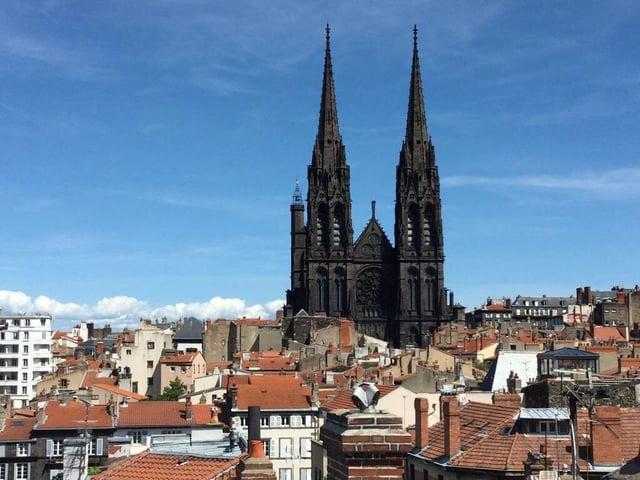
A Gothic cathedral carved from volcanic black stone, rising from the heart of Clermont-Ferrand like a geological marvel. Discover how a cathedral can be both a religious monument and a breathtaking testament to the raw, elemental landscape of the Puy-de-Dôme region.
Need-to-Know Info Before Visiting Clermont-Ferrand Cathedral
5+
images
Clermont-Ferrand Cathedral Address
Place de la Victoire, 63000 Clermont-Ferrand, France
Clermont-Ferrand Cathedral Opening Hours
- 🕒 Summer (April-September): 9 AM - 6:30 PM
- 🕒 Winter (October-March): 9 AM - 5 PM
- 🕒 Sunday: Limited hours, check for Mass schedules
How to get to Clermont-Ferrand Cathedral
- 🚗 By car: Free parking near Cathedral Square
- 🚌 Public transport: Tram Line 1 & 2, Stop 'Victoire'
- 🚕 Rideshare: Uber and local taxi services available
What is Clermont-Ferrand Cathedral known for?
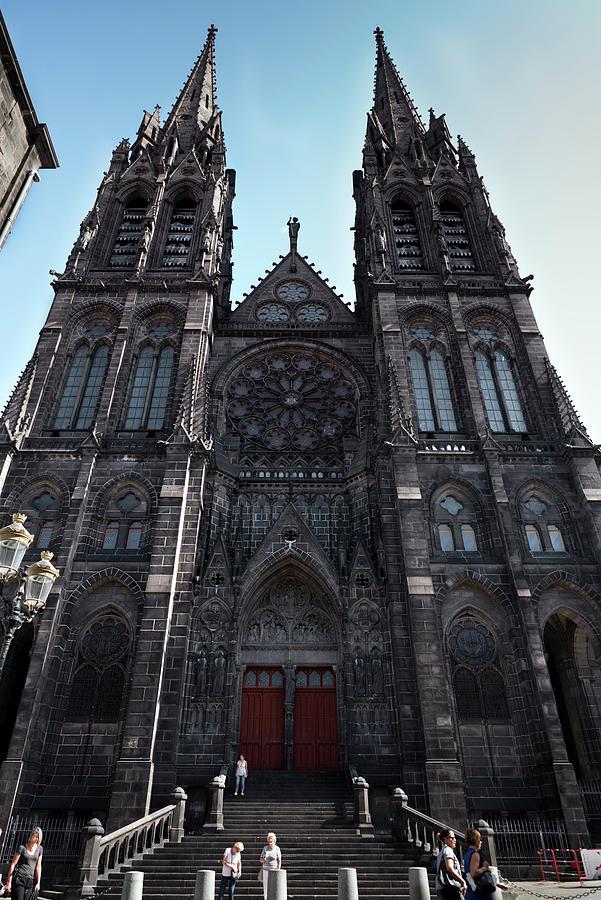
- Unique black volcanic stone exterior from local lava rock
- 13th-century Gothic architectural masterpiece with dramatic twin spires
- Rare medieval stained glass windows surviving from original construction
- National Historic Monument of France since 1862
- Architectural symbol of Auvergne region's geological heritage
What is Clermont-Ferrand Cathedral in Clermont-Ferrand?
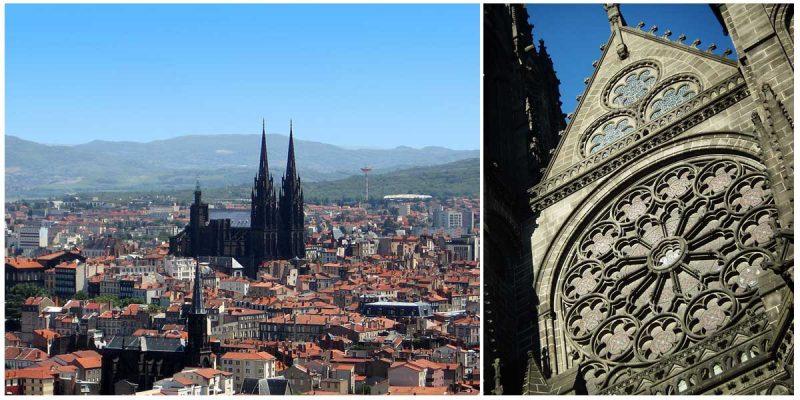
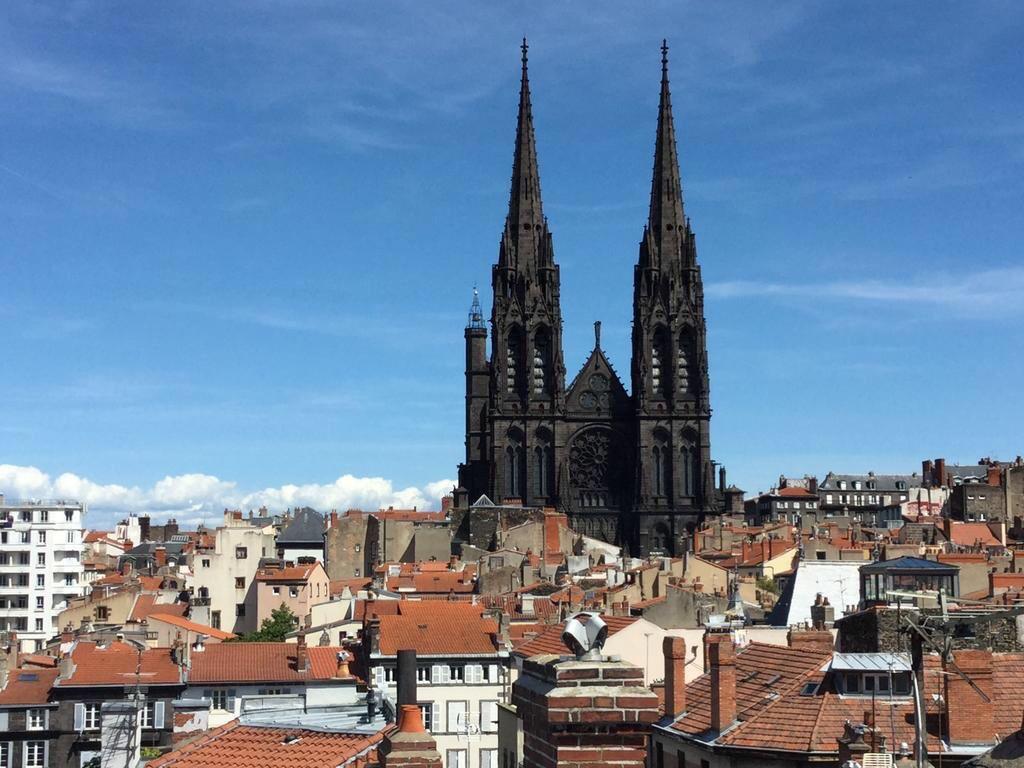
Tucked in the heart of Clermont-Ferrand, this Gothic cathedral stands as a geological oddity and architectural marvel. Constructed entirely from dark volcanic stone quarried from the local Puy-de-Dôme region, the cathedral commands attention with its dramatic black exterior that sets it apart from typical French church buildings. Travelers and architecture enthusiasts flock to see its towering 96-meter twin spires, which dominate the city's skyline and create a striking silhouette against the surrounding landscape. Dating back to the 13th century, Notre-Dame-de-l'Assomption Cathedral attracts around 150,000 visitors annually, drawing history buffs, photography lovers, and cultural explorers. The cathedral's unique construction from local lava stone makes it a standout landmark, reflecting the geological character of the Auvergne region. Unlike many European cathedrals that blend into their surroundings, this structure demands attention with its dark, almost obsidian-like appearance that changes tone dramatically with different lighting conditions. During peak tourist seasons, guided tours provide insights into its medieval construction, architectural significance, and the region's volcanic heritage.
Top things to do at Clermont-Ferrand Cathedral
- Climb the cathedral's twin spires for panoramic views of Clermont-Ferrand and the surrounding Puy-de-Dôme volcanic landscape
- Explore the medieval stained glass windows, including rare 13th-century glass panels depicting biblical scenes
- Attend a free organ concert during weekend afternoons, featuring the cathedral's historic pipe organ
- Examine the unique black lava stone architecture up close, noting how local volcanic rock was used in construction
- Visit the cathedral's small museum showcasing religious artifacts and medieval ecclesiastical treasures
- Join a guided architectural tour highlighting the Gothic design and historical significance of the building
- Participate in the daily guided tour that explains the cathedral's construction and its role in regional history
- Photograph the dramatic exterior, particularly during sunset when the black stone changes color with the light
- Attend Sunday Mass to experience the cathedral's spiritual atmosphere and hear traditional Catholic liturgy
History of Clermont-Ferrand Cathedral
- 1248: Construction begins under Bishop Aimon de Chissé during the height of Gothic architectural period
- 1267: Initial construction phase completed, marking the start of the cathedral's long architectural journey
- 1302: First significant expansion and modification of the original structure
- 1412: Major restoration work undertaken after partial damage from regional conflicts
- 1862: Officially designated as a National Historic Monument of France
- 1906: Comprehensive restoration project focuses on preserving the unique black lava stone exterior
- 1990: Extensive archaeological investigations reveal additional historical layers of the cathedral's construction
Cultural Significance
Clermont-Ferrand Cathedral represents more than a religious structure - it's a testament to the Auvergne region's geological and architectural heritage. The cathedral's construction using local volcanic stone symbolizes the deep connection between the landscape and local building traditions. As a centerpiece of Clermont-Ferrand's urban landscape, the cathedral embodies the region's resilience, showcasing how local communities transformed challenging volcanic terrain into a stunning architectural marvel. The building serves not just as a place of worship, but as a cultural landmark that tells the story of medieval French architectural innovation and the unique geological character of the Puy-de-Dôme region.
Tips for Visitors
- Wear comfortable walking shoes as the cathedral interior involves multiple levels and stone floors
- Bring a light jacket, as stone buildings can be cool even during summer months
- Photography is permitted, but flash is not allowed inside the cathedral
- Consider joining a guided tour for in-depth historical and architectural insights
- Plan at least 1-2 hours for a comprehensive visit and exploration
- Check event schedules for potential organ concerts and special religious services
- Nearby parking can be limited, so arrive early or use public transportation
Best Time to Visit
The cathedral is most enjoyable during late spring (May-June) and early autumn (September-October) when temperatures are mild and tourist crowds are smaller. Summer months offer longer daylight hours for photography, while winter provides a dramatic backdrop with potential snow. Avoid major religious holidays if you prefer fewer crowds. The cathedral's unique black stone looks most striking during early morning or late afternoon light, offering photographers exceptional opportunities.
What are some interesting facts about Clermont-Ferrand Cathedral?
- The cathedral's black volcanic stone exterior comes exclusively from local lava rock quarried from the nearby Puy-de-Dôme volcano, making it the only cathedral in France built entirely from volcanic stone
- During the French Revolution, the cathedral survived potential destruction by being temporarily converted into a 'Temple of Reason', a common practice to prevent religious buildings from being demolished
- The cathedral's twin spires are asymmetrical by design, with one spire slightly shorter and positioned at a different angle - a medieval architectural technique to create visual complexity and symbolize human imperfection compared to divine perfection