Discover Basilica of Notre-Dame-du-Port: A Volcanic Stone Masterpiece
May 21, 2025

I spent about an hour exploring the Basilica of Notre-Dame-du-Port, fascinated by how local volcanic stone creates stunning geometric patterns across the exterior. The nearby Clermont-Ferrand Cathedral and city center make this a perfect stop for anyone interested in medieval French architecture and local history.
Where black volcanic stone meets peachy sandstone, the Basilica of Notre-Dame-du-Port tells a story of medieval craftsmanship unlike any other landmark in France. Discover how local artisans transformed geological materials into a UNESCO World Heritage site that whispers centuries of regional secrets.
Need-to-Know Info Before Visiting Basilica of Notre-Dame-du-Port
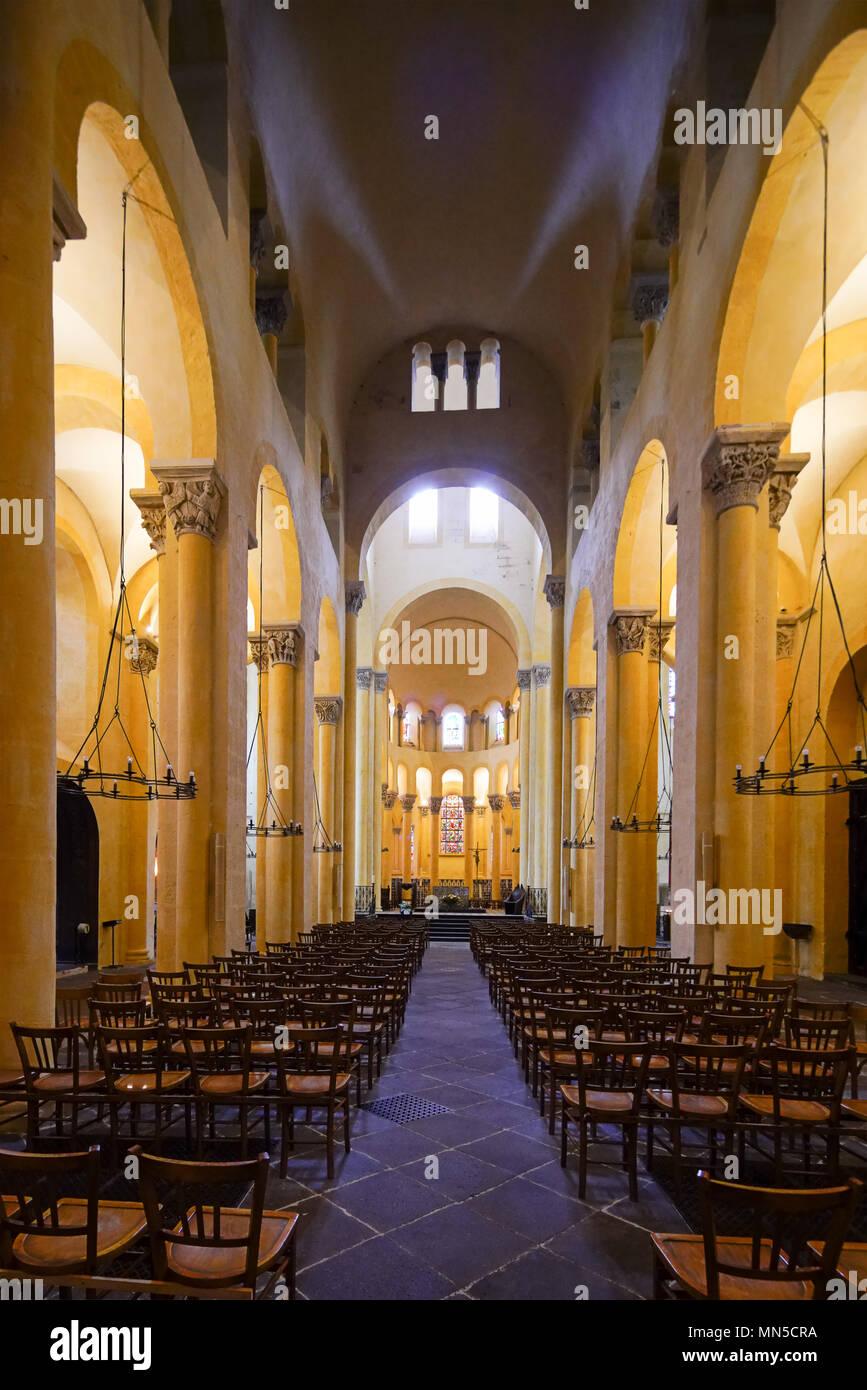
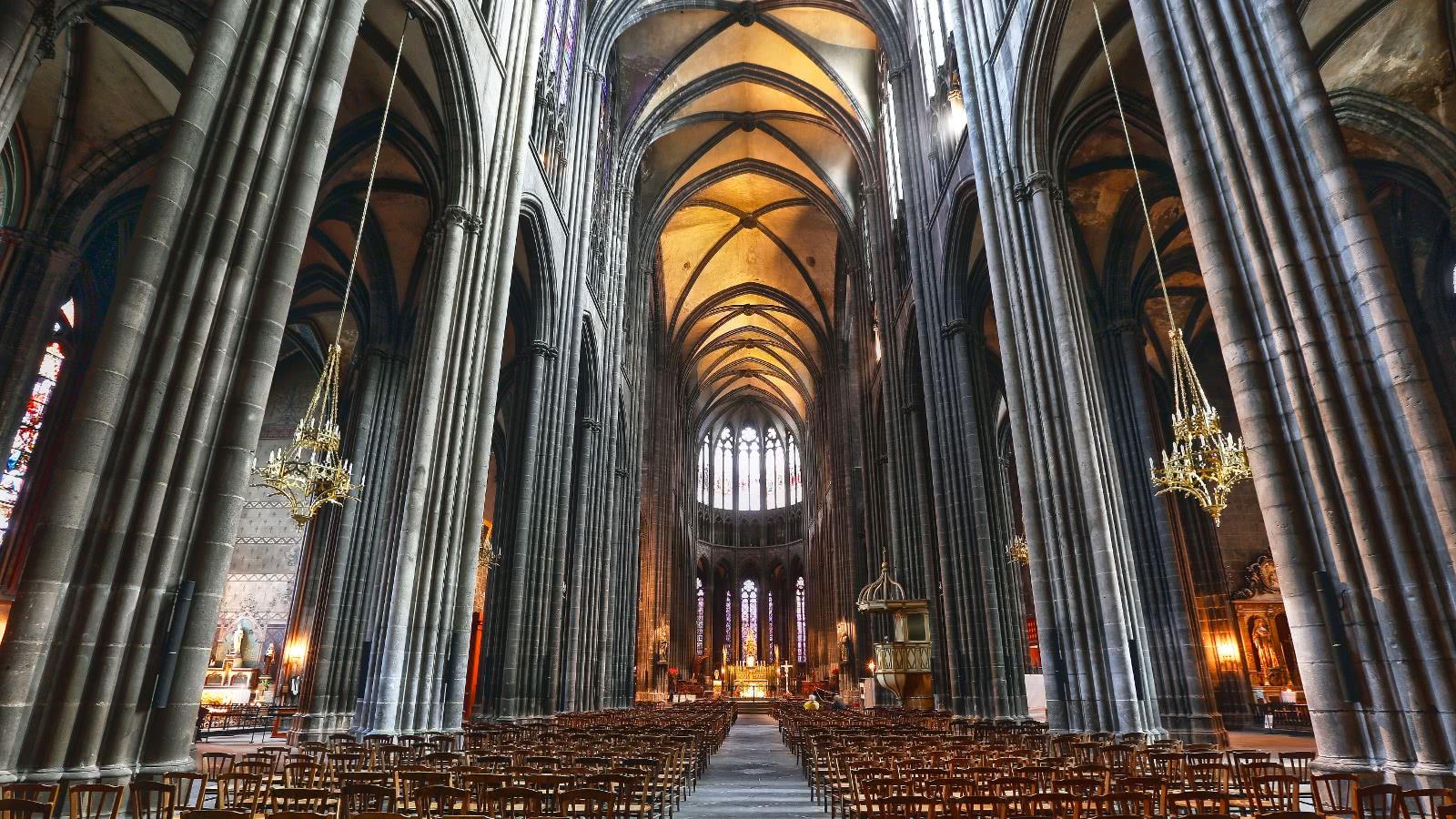
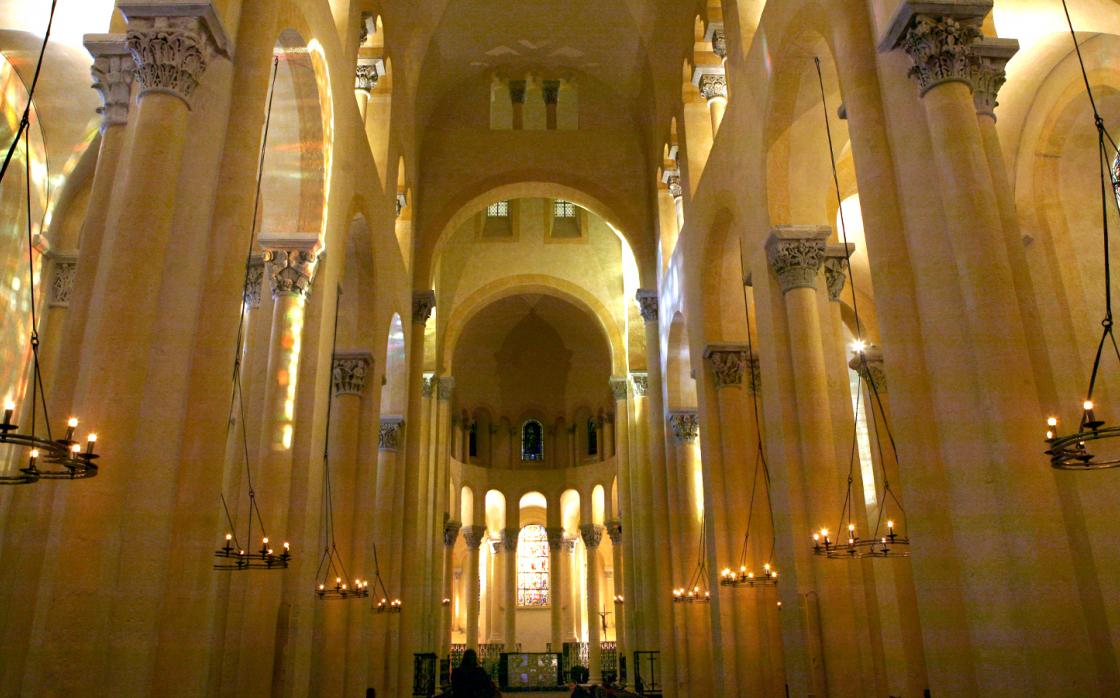
4+
images
Basilica of Notre-Dame-du-Port Address
Place de la Basilique, 63000 Clermont-Ferrand, France
Basilica of Notre-Dame-du-Port Opening Hours
- 🕒 Monday-Saturday: 9:00 AM - 6:00 PM
- 🕒 Sunday: 12:00 PM - 5:00 PM
- 🕒 Closed on major religious holidays
How to get to Basilica of Notre-Dame-du-Port
- 🚗 By car: Parking available near the basilica
- 🚌 Public transport: Tram lines A and B, stop at Jaude station
- 🚕 Rideshare: Uber and local taxi services available
What is Basilica of Notre-Dame-du-Port known for?
- UNESCO World Heritage site recognized in 1998 for exceptional Romanesque architecture
- Unique volcanic black stone and sandstone decorative patterns
- 12th-century Roman Catholic basilica with intricate stone mosaics and medieval sculptures
- Exemplary Romanesque design featuring semi-circular arches and distinctive exterior decorations
- Located in the historic center of Clermont-Ferrand, offering architectural and cultural significance
What is Basilica of Notre-Dame-du-Port in Clermont-Ferrand?
Tucked into the heart of Clermont-Ferrand, the Basilica of Notre-Dame-du-Port stands as a stone storyteller of medieval French architecture. This 12th-century Roman Catholic church draws history buffs and architecture enthusiasts from across Europe, averaging around 50,000 visitors annually. Travelers find themselves captivated by its unique exterior, where black volcanic stone weaves intricate geometric patterns into warm sandstone walls. The basilica's UNESCO World Heritage status speaks volumes about its architectural significance. Walking around the building reveals a visual feast of neoclassical columns, terracotta tiles, and medieval stone reliefs that tell centuries of regional history. Photography lovers cluster around the belvédère across the street, capturing the basilica's stunning exterior silhouette that blends Romanesque design with local volcanic landscape elements. While not as famous as Paris cathedrals, this landmark offers an authentic glimpse into regional French architectural traditions, making it a key stop for travelers seeking to understand the cultural depth of the Auvergne region.
Top things to do at Basilica of Notre-Dame-du-Port
- Explore the intricate medieval stone mosaics featuring geometric and floral patterns crafted from black volcanic stone and sandstone
- Photograph the unique exterior from the belvédère across the street, capturing the blend of neoclassical columns and medieval architectural elements
- Study the sculptural details of medieval religious artwork embedded in the basilica's architectural design
- Take a guided tour focusing on the basilica's UNESCO World Heritage architectural significance and historical context
- Examine the distinctive Romanesque architectural features, including semi-circular arches and the church's characteristic broad headpiece
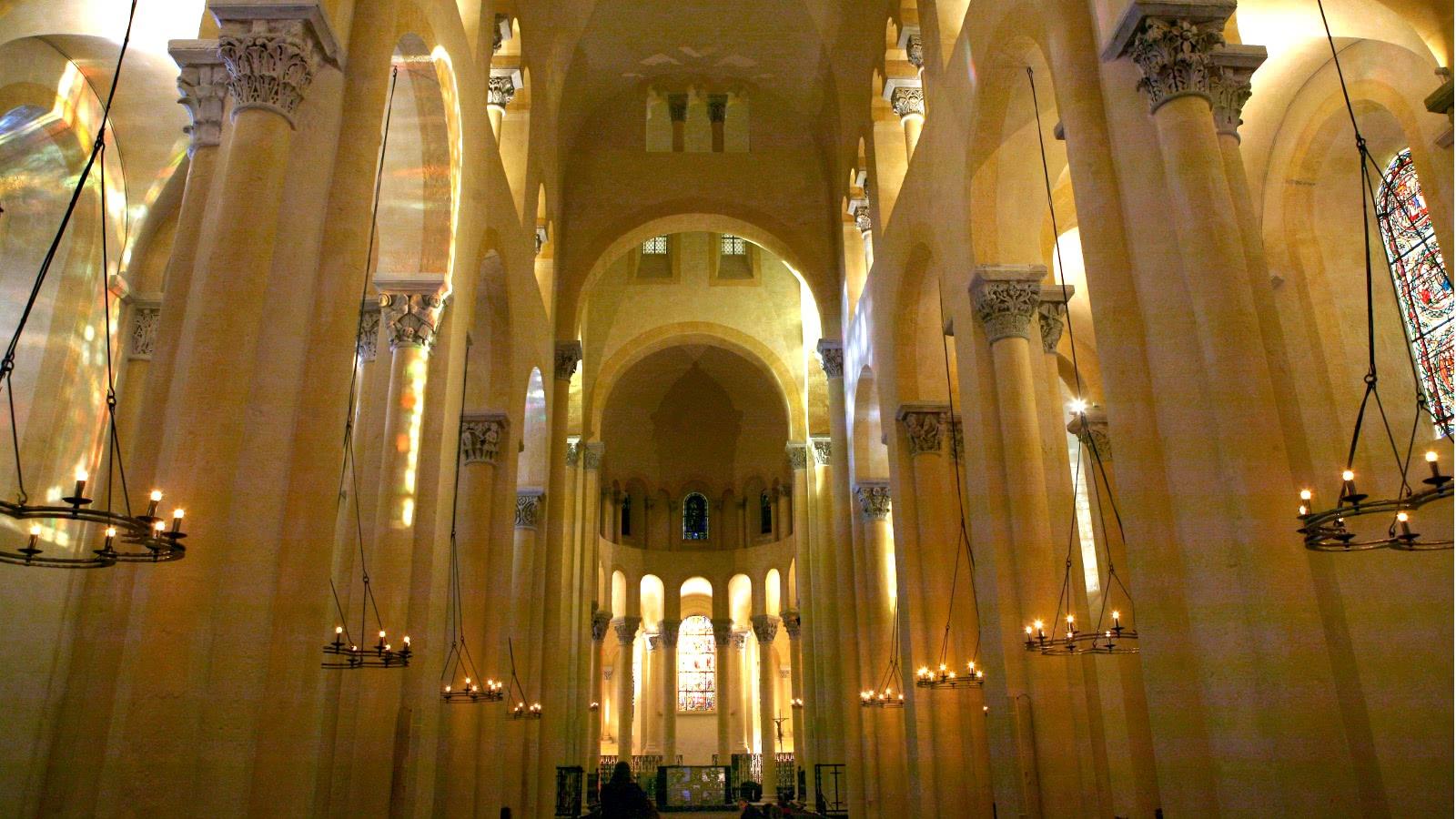
- Visit the interior to appreciate the inlaid stone decorations and understand the craftsmanship of 12th-century religious architecture
Tickets and Entry
Entry to the Basilica of Notre-Dame-du-Port is free for visitors. While no ticket is required, donations are welcome to support the landmark's preservation. Group tours can be arranged in advance through the local tourist office, typically costing around 8-10 euros per person. Photography is permitted inside the basilica, but flash photography and tripods are not allowed to protect the delicate historical artifacts.
History of Basilica of Notre-Dame-du-Port
- 12th Century: Original construction of the Romanesque basilica begins
- Medieval Period: Developed as an important religious center in Clermont-Ferrand
- 1998: Granted UNESCO World Heritage status for exceptional architectural design
- Early 2000s: Comprehensive restoration work to preserve the landmark's unique volcanic stone and sandstone architectural features
- Present Day: Continues to serve as a significant religious and cultural landmark in the Auvergne region
Cultural Significance
The Basilica of Notre-Dame-du-Port represents more than just a religious structure-it's a testament to the architectural and cultural heritage of the Auvergne region. Its unique design, blending volcanic black stone with sandstone, reflects the local geological landscape. The basilica symbolizes the architectural innovation of medieval craftsmen, showcasing how local materials and architectural techniques were used to create stunning religious monuments.
Tips for Visitors
- Best viewed from the belvédère across the street for full exterior appreciation
- Wear comfortable walking shoes for exploring the exterior and interior
- Respect the religious nature of the site-maintain quiet and dress modestly
- Allow at least 45-60 minutes for a comprehensive visit
- Check local tourist office for potential guided tour schedules
- Nearby cafés and restaurants offer great spots to rest after your visit
What are some interesting facts about Basilica of Notre-Dame-du-Port?
- The basilica's unique black volcanic stone decorations come from local Auvergne region rock, making it the only church in France with such distinctive stone integration
- Local craftsmen created the stone mosaics using techniques passed down through generations, with some design patterns believed to have pre-Christian symbolic meanings
- During the French Revolution, the basilica narrowly avoided destruction by serving multiple community functions beyond religious worship, including temporary town hall and community meeting space